Build
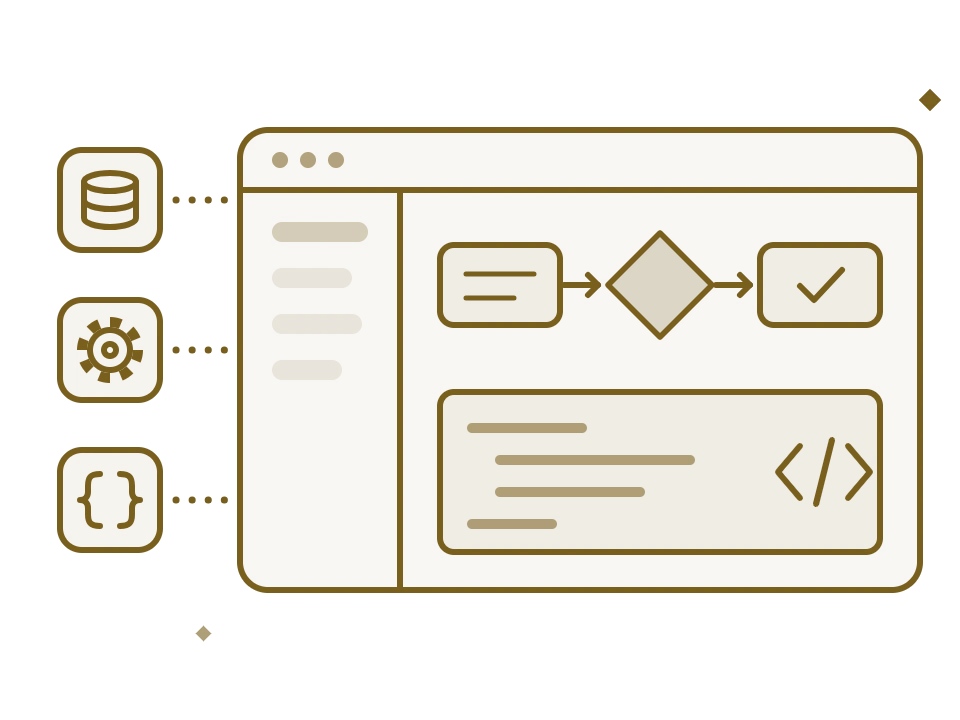
- Custom Software
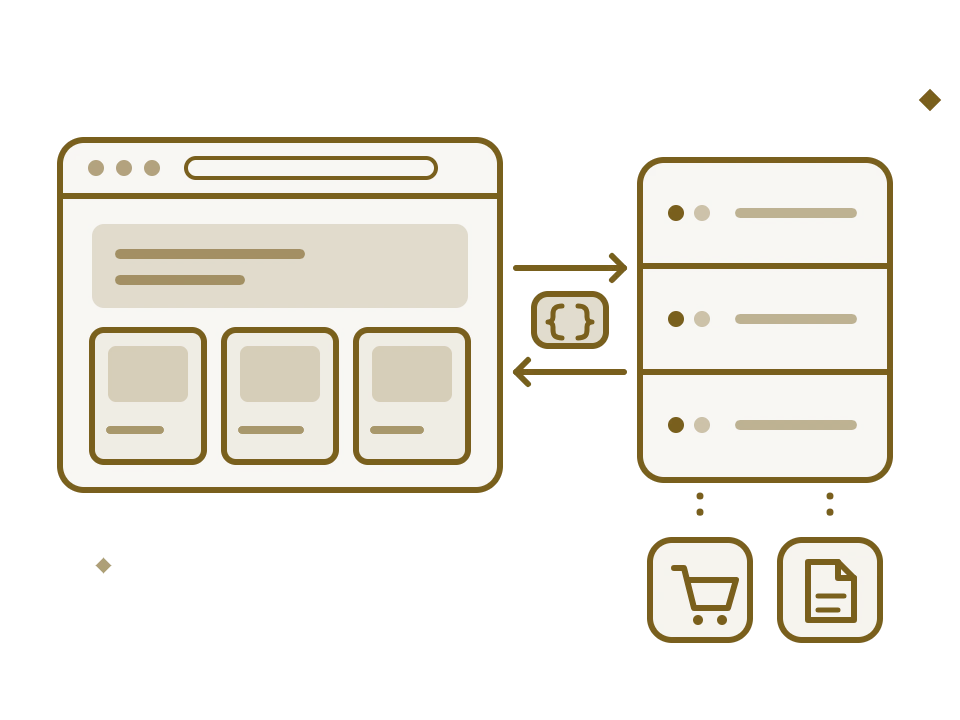
- Web Development
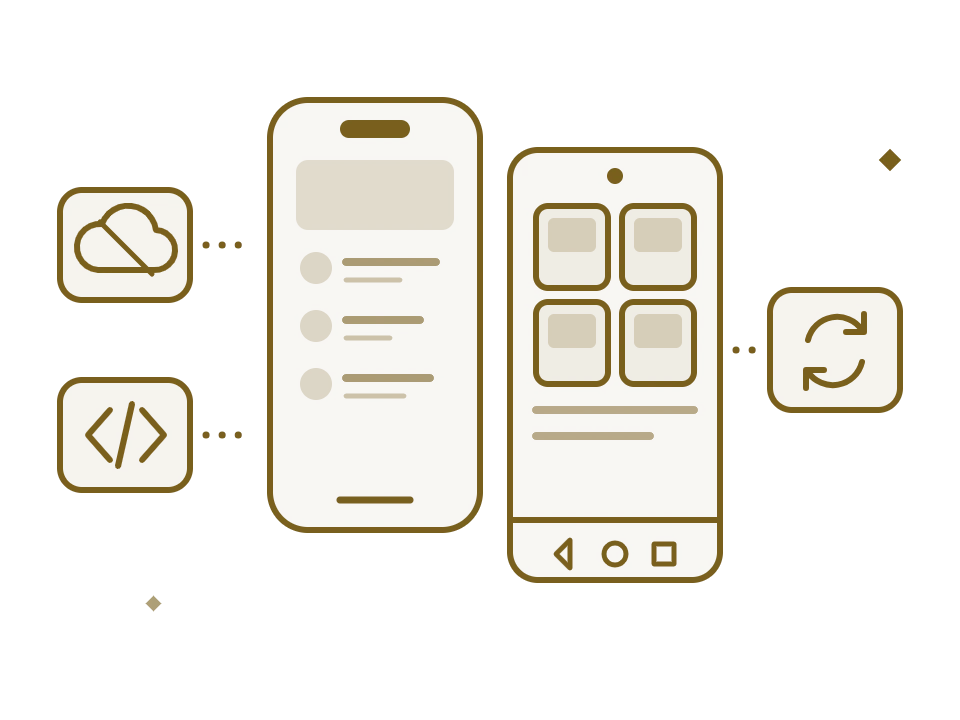
- Mobile App
- iOS & Android


software engineering
We build custom software, cloud platforms, and mobile apps. Every project ships typed end to end, reviewed line by line, and measured against numbers we commit to before the work starts.

what we build
Systems built around how your business actually works, with the rules in one place and a codebase your team can still change safely in year three.
Web applications that hold state, enforce rules and stay fast, with one typed contract shared by the browser and the server.
Apps built for real devices and real networks: offline-first, cross-platform where it fits and native where it does not.
Core services
Multi-tenant products with isolation, billing and onboarding designed in from the first customer rather than retrofitted after the tenth.
Core services
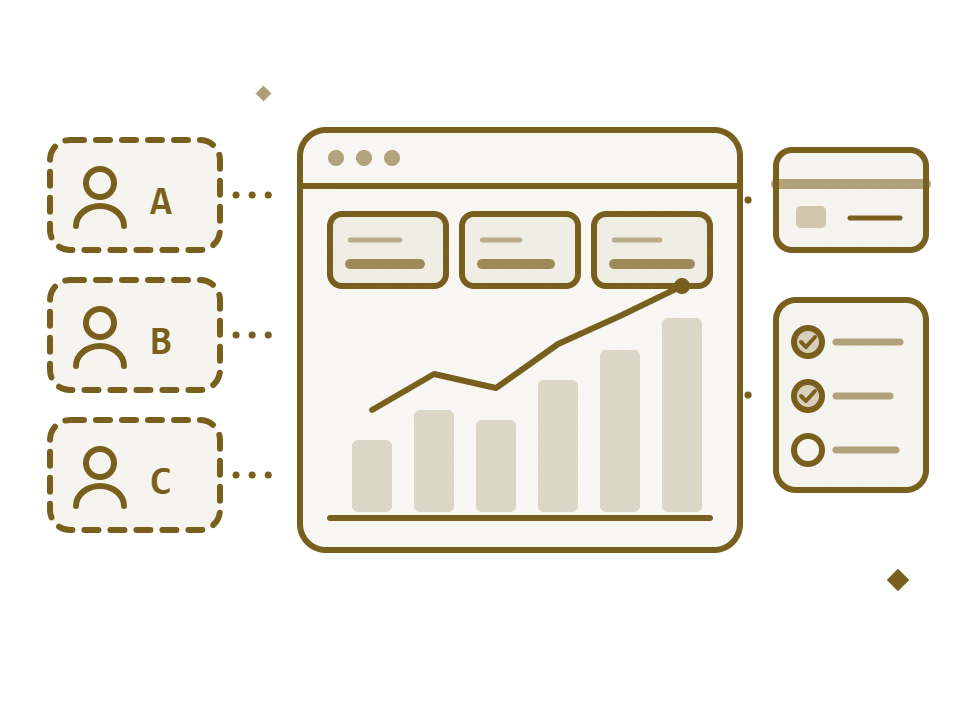
Applied AI that ships: retrieval over your own content, measured against an evaluation set before it reaches anyone.
Core services
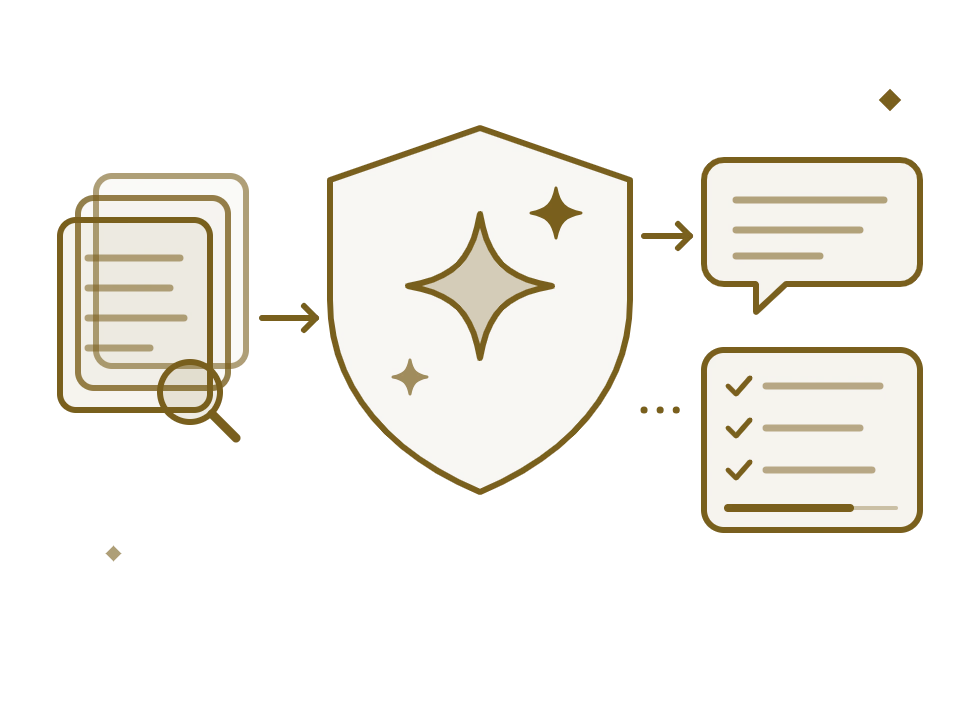
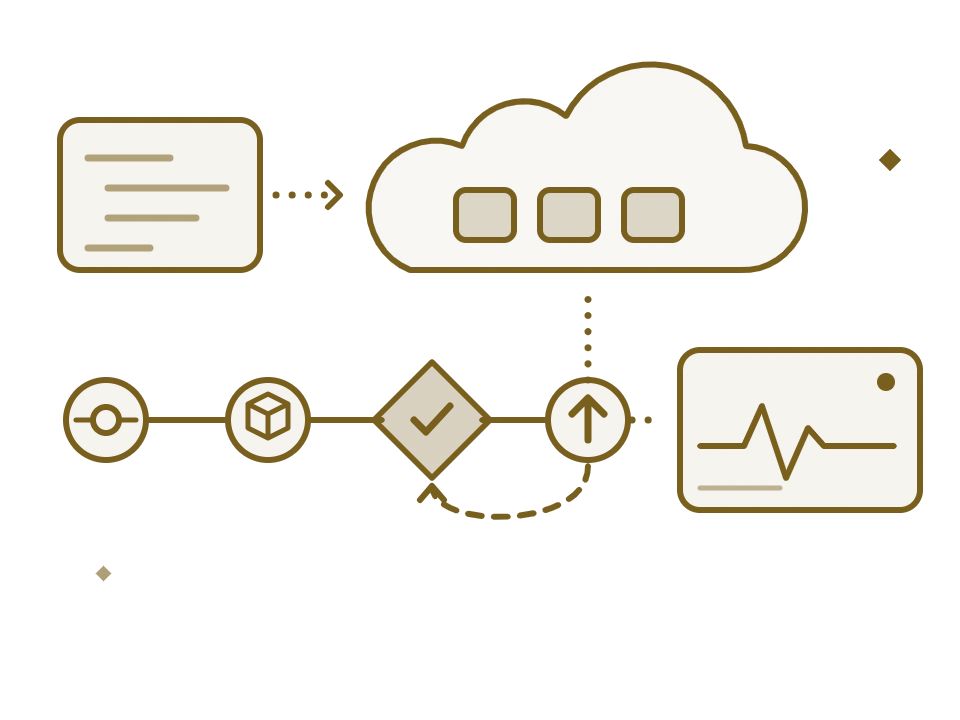
Infrastructure as code, pipelines with gates that cannot be skipped, and a rollback that has been tested rather than assumed.
industry expertise
case studies
Problem, approach and the number that moved, for every project we can name.
Discuss your project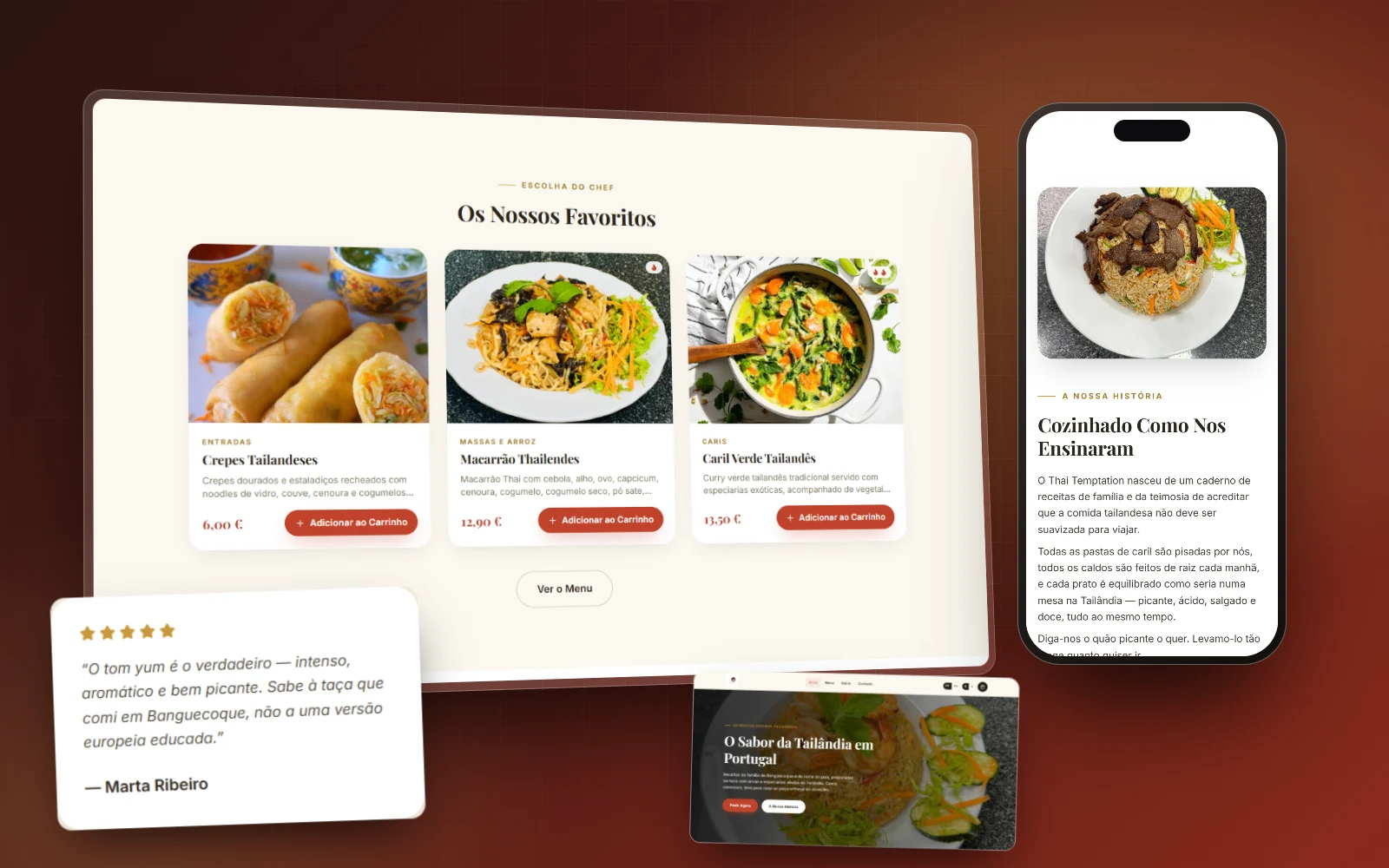
Restaurant · Web & online ordering
Your real outcome, e.g. “Bilingual menu and online ordering for a Thai restaurant in Portugal”. Add a number if you have one, such as orders per week.
Read the case study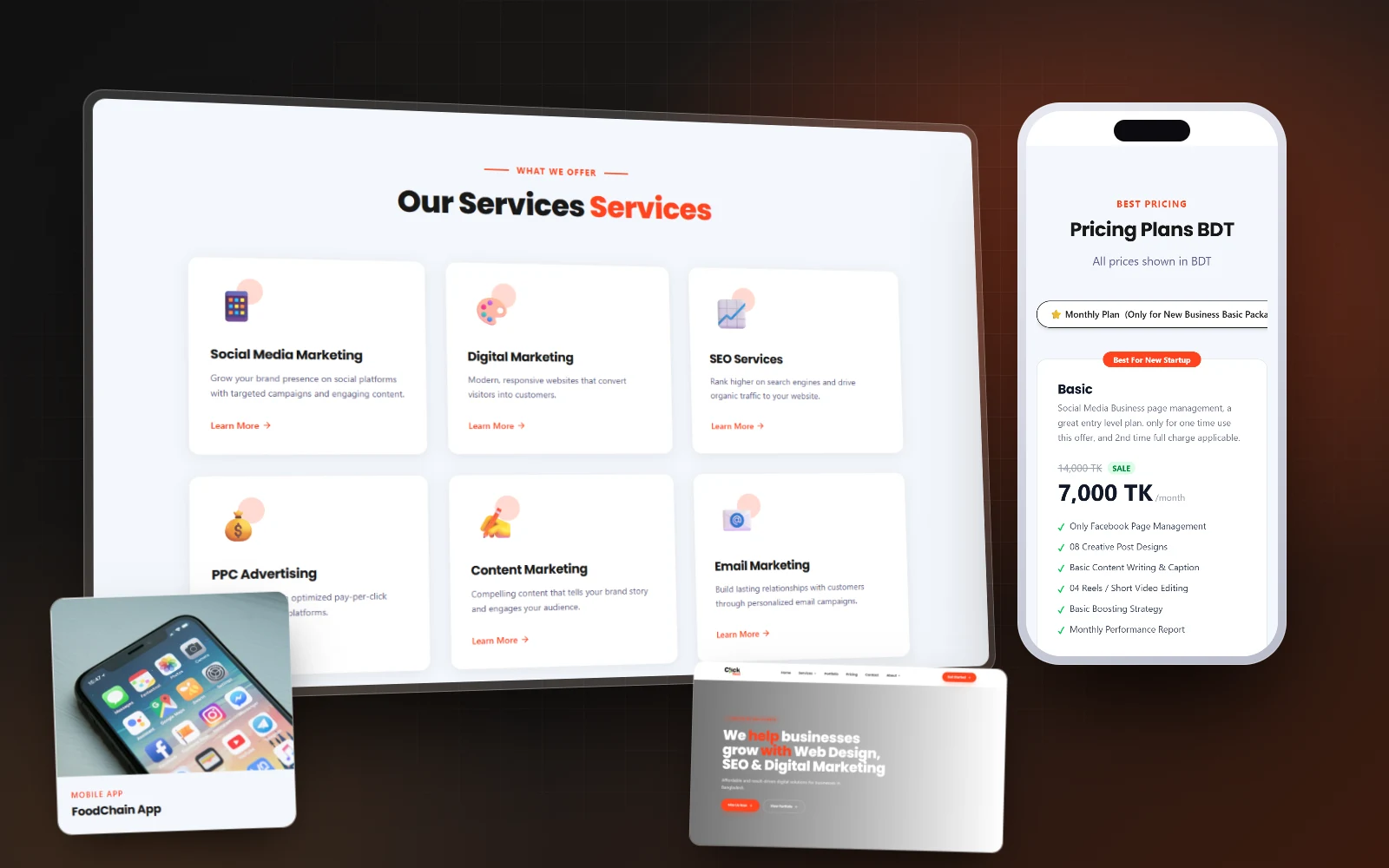
Digital agency · Website
Your real outcome, e.g. “Agency site for a Bangladesh web design, SEO and marketing studio”
Read the case study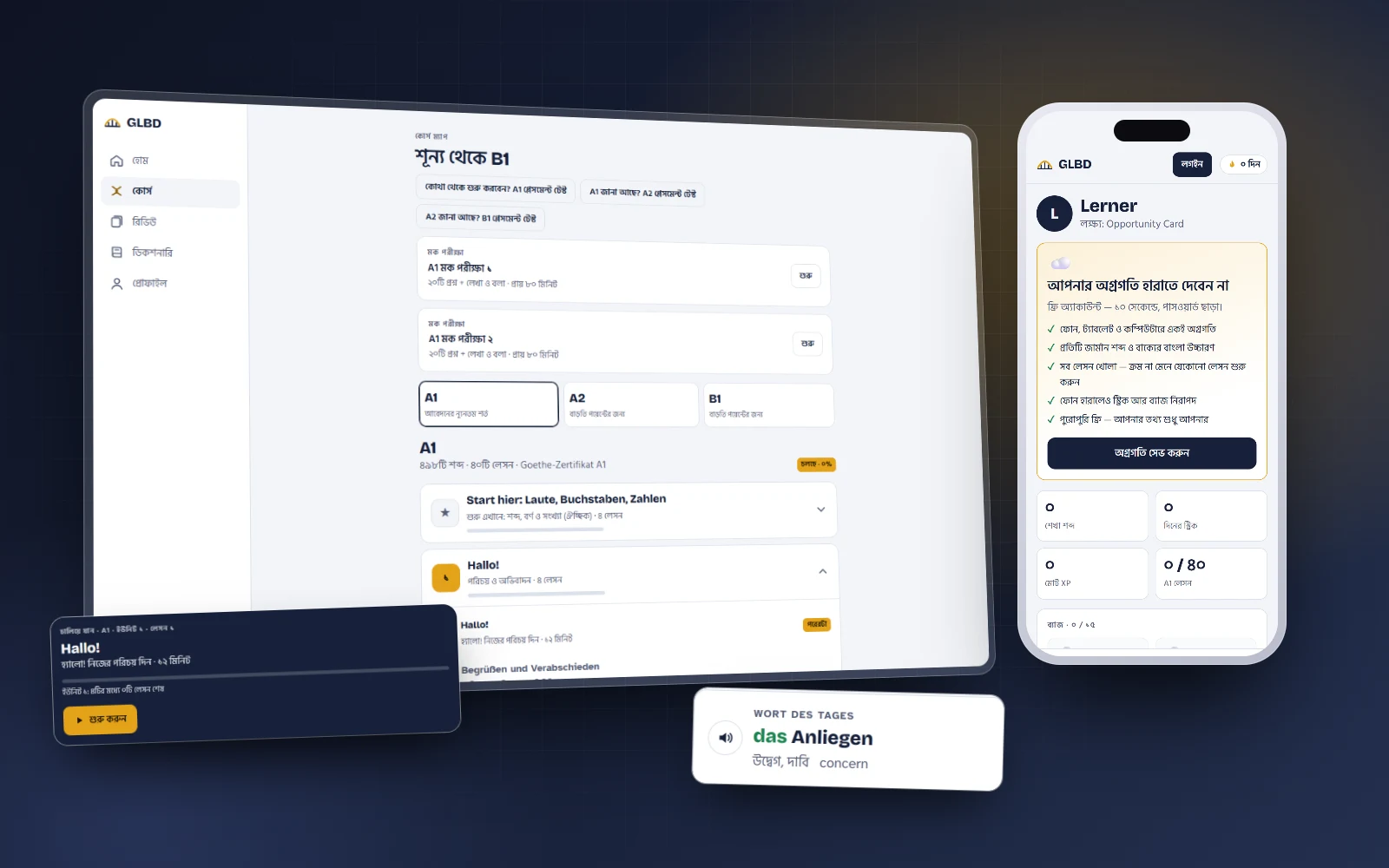
EdTech · Language learning web app
Your real outcome, e.g. “Bangla-first German course from zero to B1, with Goethe-style mock exams”
Read the case study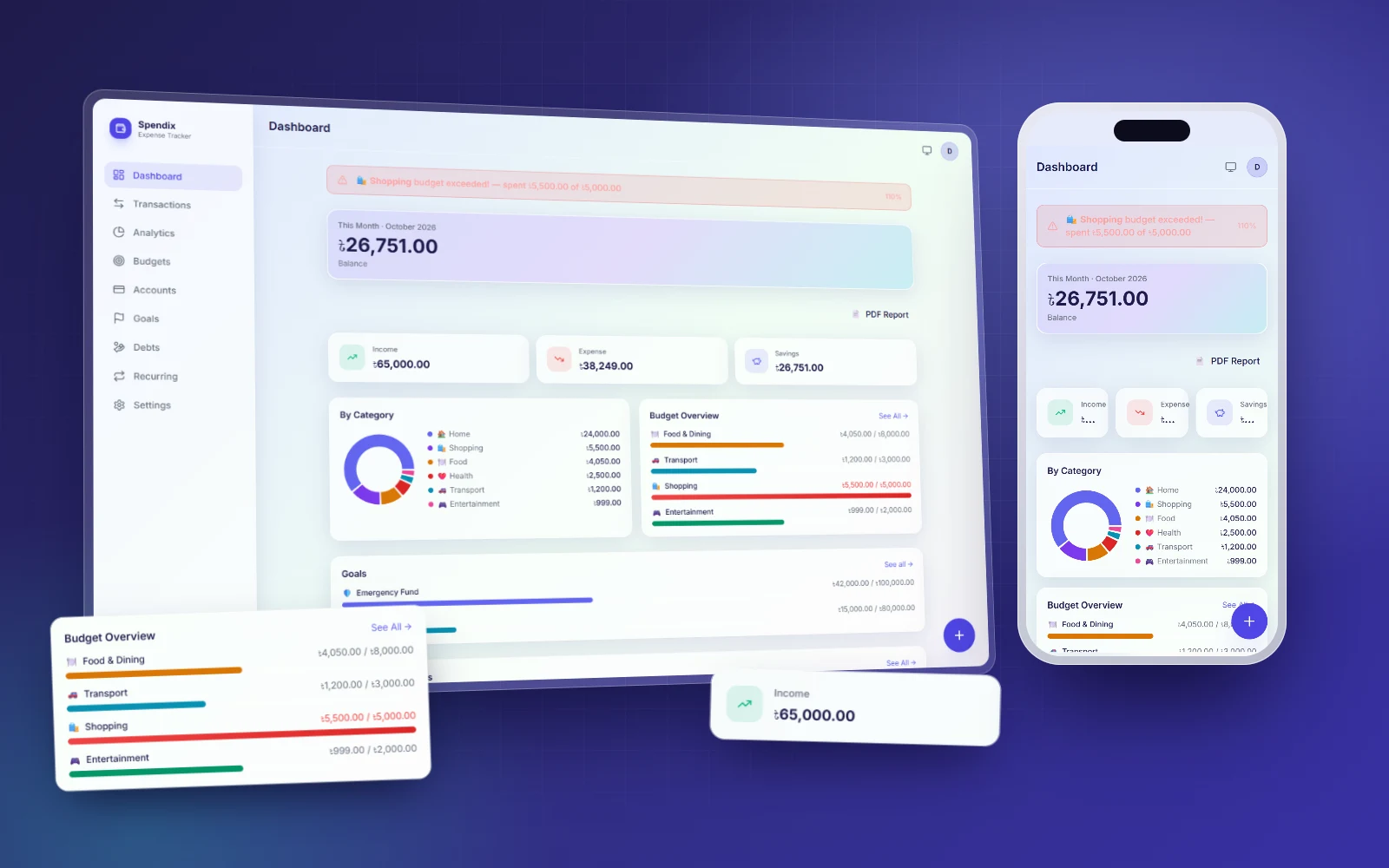
FinTech · Expense tracker web app
Your real outcome, e.g. “Expense tracker with budgets, goals and multiple accounts (bKash, bank, cash)”
Read the case studywhat we do
We group our work the way clients actually buy it, not alphabetically.
how we work
The same sequence on every engagement, whatever the size. The stage that gets cut under pressure elsewhere is the one that costs you in year two.
We find the real constraint before proposing anything. It is rarely the one in the brief.
Schema, boundaries and failure modes on paper, agreed with you before code exists.
Two-week increments. Every change reviewed by a second engineer, CI green before merge.
Load tests, accessibility audit, performance budget enforced, dependency and secrets review.
Monitoring, an on-call rotation, and a handover your own team can act on.
technology stack
before you ask
We do not quote from a brief. Discovery and architecture come first, because a number produced before the constraints are understood is a guess that someone pays for later. Once the architecture is agreed you get a scope and a figure against it, and changes after that are priced as changes rather than absorbed silently.
We build in two-week increments, so you see working software at the end of the second one and every two weeks after. Not a demo environment or a slide - the actual build, deployed somewhere you can use it.
Often, yes. We read the codebase before proposing anything, and a rewrite is the last recommendation rather than the first - it is usually the expensive answer to a problem that has a cheaper one. If we do think it should be rebuilt, we will show you what we found rather than assert it.
Yes. We work in your repository, to your review process, and the standards on this page apply to what we contribute whether or not they apply to the rest. Handover is continuous rather than an event at the end.
Monitoring and an on-call rotation, plus documentation written for your team rather than for us. The test of a handover is whether someone who has never met us can change the system safely, and that is what we write for.
They are measured, not estimated, and they gate the build - a release that misses one does not ship. Largest Contentful Paint and Interaction to Next Paint are what a user feels as speed and responsiveness. WCAG 2.2 AA is the accessibility level most procurement and public-sector contracts require. The coverage floor is a CI gate, not a target anyone reports on.
A short call, no deck. If your problem is outside what we do well, we will say so and point you somewhere better.